2026 Veritas International Music Competition · Heritage Ambassador, First Class
From the Museum to the Carnegie Hall Stage
We invite our performers to become Ambassadors
and to share a many-layered experience of culture and history.



We invite our performers to become Ambassadors
and to share a many-layered experience of culture and history.
To every performer taking the stage at the Winners' Recital at Carnegie Hall, we would like to suggest an experience that is both intriguing and meaningful.
New York is home to The Metropolitan Museum of Art, where centuries-old relatives of the instruments you play are on view. While you are in New York, visit the museum, meet your instrument there, and tell its story. It will be a different kind of experience: a chance to understand your instrument in many layers, and to share it with the world.
The Met holds instruments that were made by hand and brought to life by breath and fingertips hundreds of years ago. On December 5, instruments of the same family will sound again at Carnegie Hall, in the hands of our performers.
We hope this stage becomes more than one line that says "I won an award and played at Carnegie Hall." A time to follow the path your instrument has traveled, to discover where your music comes from, and to consider what your music means within that long history. We hope a few days in New York become not one performance, but a cultural experience of many layers.
Meet the centuries-old ancestor of your instrument at The Met. Imagine the time and place it was made, the music it once played, and the people who listened.
Perform at Carnegie Hall, where music has sounded since 1891. This winter, you add your own page to a story 135 years in the making.
Share what you saw and felt, publicly, as an Ambassador of the competition. Discover that your music is part of a larger story, and that you are one of those who carry it forward.
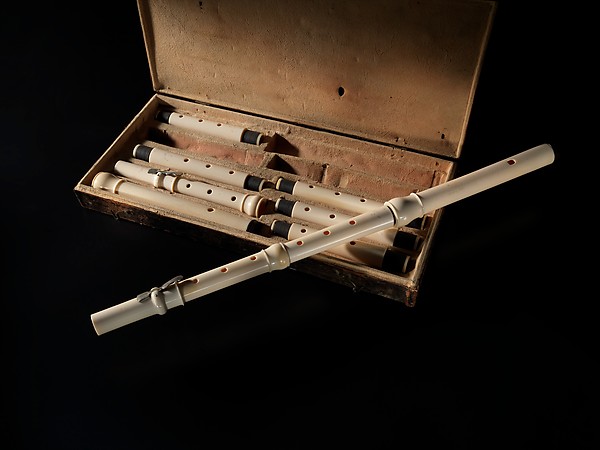
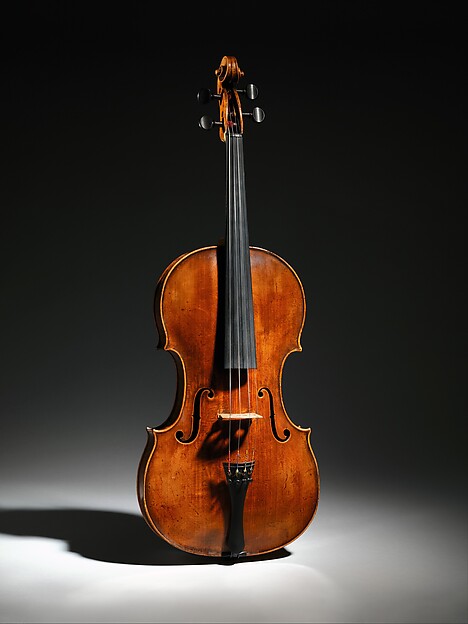
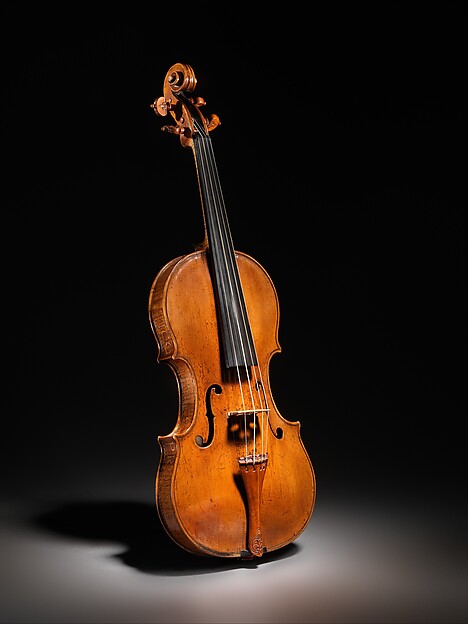
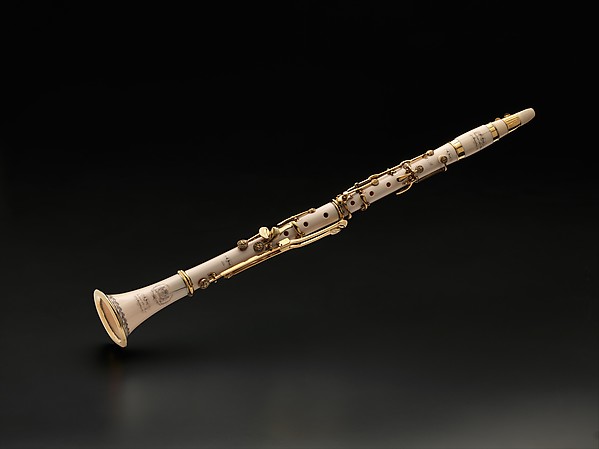
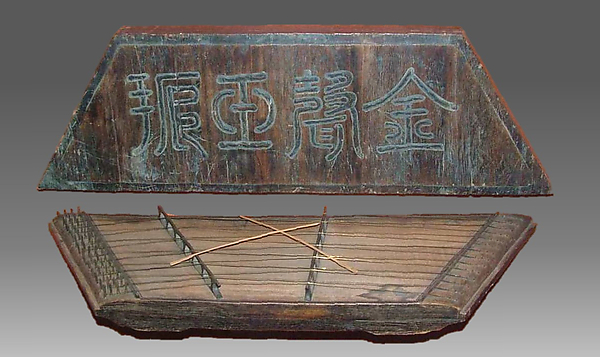
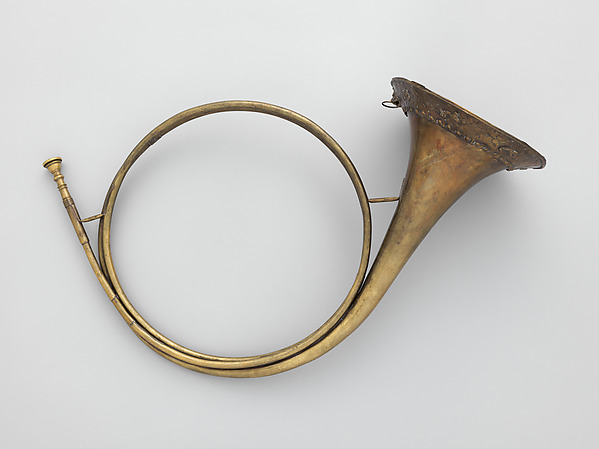
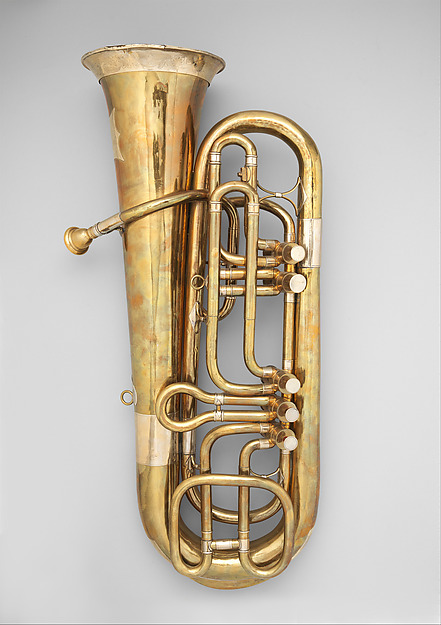
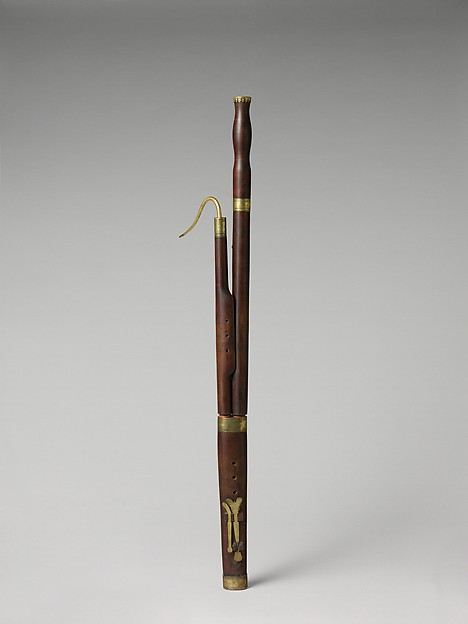
Right now, 84 instruments from the same families as those our performers play are on view at The Met. Here are some of them, in the order they were made. Tap a picture to open its page on The Met website.
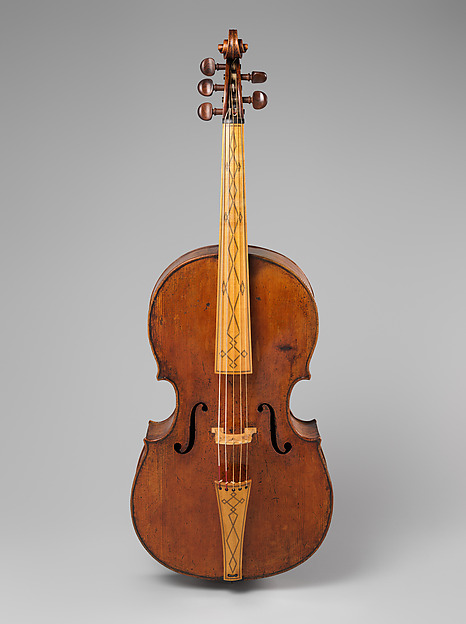
By Andrea Amati, the maker credited with the first violin-family instruments.
A few years before Shakespeare was born
Made by the two sons of Andrea Amati.
Around the time Monteverdi staged his opera Orfeo (1607)
By Jacob Stainer, whose instruments were prized even above Stradivari's in the 18th century.
The horn began as a signal on the hunting field before it entered the orchestra.
From Stradivari's "golden period" (1700 to 1720).
The year Handel's opera Rinaldo premiered in London
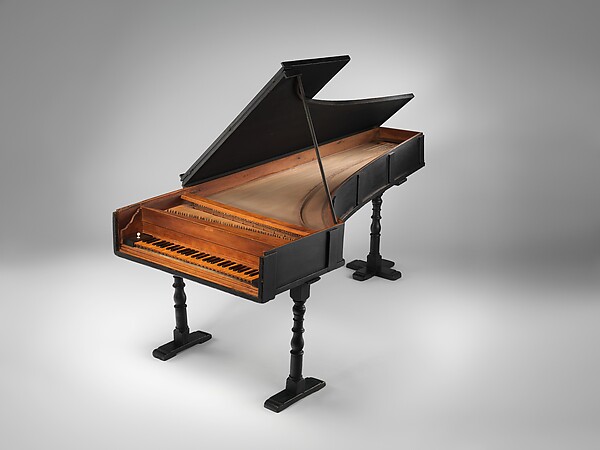
By Cristofori, the inventor of the piano: the oldest surviving piano. It has no pedals and a shorter keyboard than yours.
The year Bach turned 35

The year Mozart's The Abduction from the Seraglio premiered in Vienna
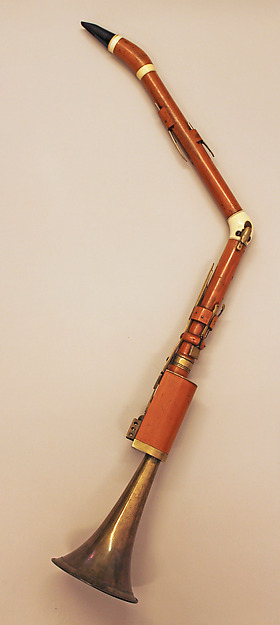
A member of the clarinet family that Mozart wrote into his Requiem.
Around 1800, when Beethoven premiered his First Symphony
Made by the father of Adolphe Sax, the inventor of the saxophone.
The year Berlioz's Symphonie fantastique premiered

From the Érard workshop, whose pianos Liszt loved to play.
Made by Adolphe Sax himself, in the same gallery as his father's clarinet.
The tuba was first patented in Berlin in 1835, a young instrument at the time.
Tchaikovsky himself conducted on opening night, May 5. Today's Weill Recital Hall has held music since that same year.
From a violin made more than 460 years ago to today's stage. Instruments of the same family sound again in your hands, and a new page is added to that long story.
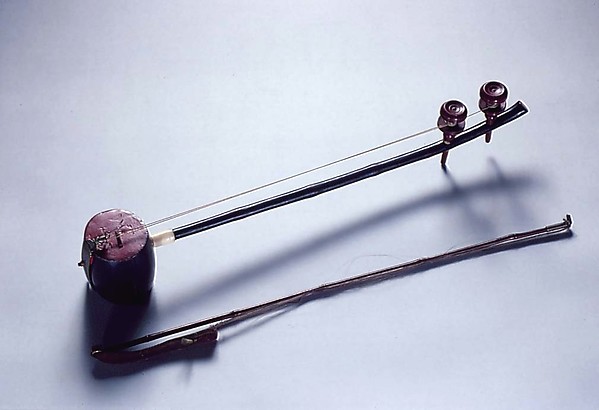
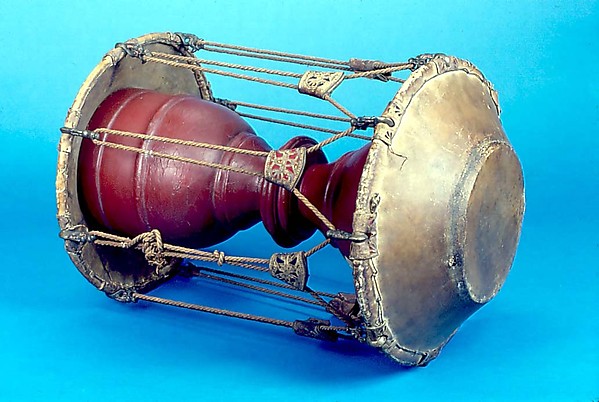
In The Met's musical instrument galleries, the haegeum, janggu and yanggeum, along with the gayageum, geomungo, daegeum and ajaeng, stand beside European violins and pianos. Here, Korean music is presented as part of the world's musical heritage, and our gugak performers see for themselves how their instruments are seen by the world.
If you have time, walk through the galleries of the same era and place. In the Korean art gallery (Gallery 233) and the European paintings galleries, you will begin to see the world behind the music you play.
See the gayageum, geomungo, daegeum and ajaeng on The Met website: Gayageum, Geomungo, Daegeum, Ajaeng
Every performer on the Carnegie Hall stage on December 5 is invited to become an Ambassador. Tell your story in a short video. Videos will be featured on the competition's channels and digital program book, and every Ambassador receives a Certificate of Recognition.
Outside Carnegie Hall, share in a short video how you feel before or after your performance.
Add the story of your instrument's ancestor at The Met, and you will be appointed an Ambassador named for your instrument, for example Musical Heritage Ambassador (Violin) or Korean Cultural Heritage Ambassador (Haegeum).